Call for Free Estimates and Financing!
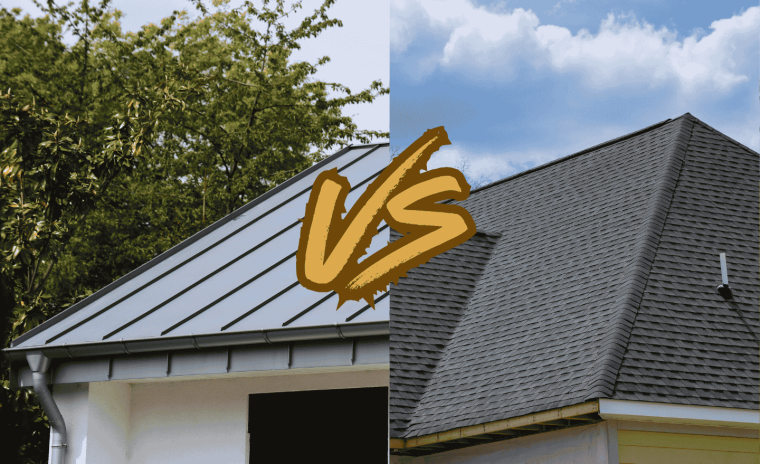
Asphalt Shingles vs. Metal Roofing: Cost, Lifespan, and ROI
Initial Investment: Material and Installation Expenses
The upfront cost difference between these two roofing materials remains one of the most significant factors for homeowners throughout West Texas. Asphalt shingles typically range from $3.50 to $5.50 per square foot installed, making them the most budget-friendly option for residential projects in Seminole, Odessa, and surrounding areas. This lower entry point allows homeowners to replace aging roofs without depleting emergency savings, which proves especially valuable during unexpected damage from West Texas hailstorms that strike with little warning between March and June.
Metal roofing systems command a higher initial investment, generally between $7.50 and $12.00 per square foot installed, depending on the profile and gauge selected. Standing seam metal roofs represent the premium end of this range, while corrugated panels offer more affordable options. Despite the steeper upfront expense, many property owners in Midland and Lubbock choose metal specifically because financing the higher cost now eliminates the need for replacement within their ownership timeline. Working with an experienced roofing contractor helps you understand the true installed cost based on your home’s specific pitch, square footage, and any additional structural considerations unique to your property.
Labor costs in the Permian Basin region also influence the total project expense. Asphalt shingle installation typically requires less specialized training and fewer crew hours, which translates to lower labor charges. Metal roofing demands precision measurement, specialized fastening techniques, and careful handling to prevent cosmetic damage during installation. These factors extend project timelines and increase labor expenses, though the long-term performance often justifies the additional investment. Local roofing professionals can provide detailed estimates that account for your home’s unique requirements and help you evaluate which material aligns with both your immediate budget and long-term financial goals.
Service Life: How Long Each Material Protects Your Home
Service life projections reveal perhaps the starkest contrast between these roofing materials. Quality asphalt shingles in West Texas typically deliver 15 to 25 years of reliable protection, with architectural or dimensional shingles outlasting basic three-tab varieties. The intense UV exposure and temperature swings common to Seminole and Andrews accelerate the breakdown of asphalt and petroleum-based compounds, causing granule loss and brittleness sooner than in more moderate climates. Homeowners who purchased properties in the early 2010s with asphalt roofs are now entering their first replacement cycle, a pattern familiar to local contractors who see predictable demand every 20 years.
Metal roofing systems routinely exceed 40 to 50 years of service life, with many standing seam installations carrying warranties that extend beyond most homeowners’ occupancy. The non-porous surface resists moisture infiltration, while the expansion-contraction characteristics of properly installed metal panels accommodate West Texas temperature fluctuations without cracking or splitting. Unlike organic materials, metal does not support algae or moss growth and will not decay over time. For property owners planning to age in place or pass homes to the next generation, metal roofing eliminates multiple replacement cycles and the disruption that accompanies major roof projects.
Environmental factors specific to the region play a decisive role in actual lifespan. Frequent dust storms between Monahans and Seminole accelerate wear on both materials, though metal’s hard surface resists abrasion better than asphalt granules. Hail events, which occur with regularity across the Permian Basin, can dent metal panels but rarely compromise their weatherproofing, while impact damage to shingles often requires immediate replacement to prevent leaks. Understanding these regional performance patterns helps homeowners make decisions grounded in local conditions rather than national averages. Consulting with a trusted local roofing company provides insights drawn from years of observing how different materials perform in your specific microclimate.
Energy Efficiency and Climate Performance in West Texas
Thermal performance differences between these materials directly impact cooling costs during the extended West Texas summer season that stretches from May through September. Dark asphalt shingles absorb substantial solar radiation, often reaching surface temperatures exceeding 160°F on July afternoons in Odessa and Midland. This heat transfers into attic spaces and forces air conditioning systems to run longer cycles, increasing monthly utility bills during the months when electricity demand peaks across the grid. Homeowners with older HVAC systems feel this impact most acutely, as equipment struggles to maintain comfortable interior temperatures against the radiant heat load from above.
Metal roofing with reflective coatings or lighter finishes can reduce cooling costs by 10 to 25 percent compared to traditional dark shingles. The low thermal mass of metal means these roofs shed accumulated heat rapidly after sunset, while textured finishes and specialized paint formulations reflect rather than absorb incoming solar energy. In Lubbock and Brownfield, where summer temperatures routinely exceed 95°F for weeks at a time, this cooling advantage compounds month after month. Property owners who track utility expenses before and after metal roof installation consistently report measurable reductions in summer electric bills, with savings that help offset the higher initial investment over the system’s lifespan.
Wind resistance also varies significantly between materials, a critical consideration given the strong spring and fall winds that sweep across the plains. Properly installed metal panels with concealed fasteners resist wind uplift better than mechanically attached shingles, which rely on adhesive strips and exposed nails. After severe wind events, roofing contractors throughout the region consistently observe more shingle damage than metal panel failure. This durability translates to fewer insurance claims, lower maintenance expenses, and greater peace of mind during storm season. Homeowners evaluating long-term performance should weigh these climate-specific factors alongside published warranty terms.
Long-Term Value: Comparing ROI Over Ownership Period
Calculating return on investment requires looking beyond the initial price tag to examine total cost of ownership across the material’s expected service life. A homeowner who installs asphalt shingles at $12,000 and replaces them every 20 years will invest $24,000 over 40 years, plus the inconvenience and disruption of a second major roof project. That same homeowner choosing a $22,000 metal roof system pays more initially but eliminates the second replacement cycle entirely, resulting in lower total expenditure and avoiding the inflation that inevitably increases future roofing costs. For many families in Stanton and Andrews planning to remain in their homes long-term, this math favors metal despite the higher entry cost.
Resale value considerations add another dimension to the ROI calculation. Metal roofing appeals strongly to buyers in West Texas markets because it signals decades of maintenance-free performance and lower operating costs. Real estate professionals in Seminole and Midland report that homes with newer metal roofs often command premium prices and spend less time on the market compared to similar properties with aging asphalt shingles. While you may not recoup 100 percent of the installation cost at sale, metal roofing typically delivers stronger returns than asphalt when factoring in buyer perceptions of quality and reduced future expense. This advantage proves especially valuable in competitive markets where differentiation matters.
Maintenance and repair costs over the ownership period further influence true ROI. Asphalt shingles require periodic inspection and repair, particularly after hail or wind events common to the region. Missing or damaged shingles demand prompt attention to prevent water intrusion and interior damage. Metal roofs require minimal maintenance beyond occasional inspections and gutter cleaning, with repair needs limited primarily to fastener checks and sealant touch-ups at penetrations. These reduced ongoing costs compound over decades, improving the economic case for metal. Homeowners seeking to make an informed decision should request a comprehensive cost comparison from a qualified roofing professional who can model expenses across your expected ownership timeline and account for local factors that influence material performance and longevity.
Making the Right Choice for Your Property and Budget
The true measure of roofing value emerges when you track total expenses and benefits across the full ownership timeline rather than fixating solely on the initial purchase price. For a typical Seminole-area home, metal roofing delivers superior returns when ownership extends beyond 20 years, while asphalt shingles may offer better short-term economics for homeowners planning to sell within a decade. A metal roof installation that costs $28,000 today will still be protecting your home in 2076, requiring minimal maintenance beyond occasional inspections, while that same home would need two to three asphalt shingle replacements over the same period at a combined cost potentially exceeding $40,000.
Energy savings compound these differences significantly in West Texas, where cooling expenses represent a substantial portion of annual utility bills. Metal roofing systems with reflective coatings can reduce cooling costs by 15 to 25 percent during the brutal summer months when temperatures routinely exceed 100 degrees in Midland and Odessa. These savings accumulate year after year, adding thousands of dollars to the total return equation that many homeowners overlook when making their initial decision.
Resale value considerations vary considerably depending on local market conditions and buyer preferences in each community. Lubbock and Midland buyers increasingly recognize metal roofing as a premium feature that justifies higher asking prices, while some rural markets remain more price-sensitive and favor lower-cost options. Professional roofing solutions that match material choice to your specific financial timeline and property goals deliver the optimal balance between upfront investment and long-term returns.